We create interchange-plus pricing tailored for your igaming payment accepting payments for gaming platforms in India gateway, utilizing your transaction volume, average ticket size, and card distribution — a payment infrastructure dedicated to igaming operators. Merchants using the igaming payment gateway — the payment infrastructure for igaming operators — often find they can save between 20 to 40 percent on their total processing expenses.
Faster transaction processing, cost reduction, and the alleviation of many restrictions from conventional banking systems are some of its benefits. Gain insight into how to evaluate payment processing expenses, identify concealed charges such as FX markups, compare different processors accurately, and lower payment costs through improved data. The outcome is a payment strategy that enhances reliability, decreases expenses, and provides the experience that players anticipate. While cards and e-wallets may provide extensive reach, they typically incur higher fees; on the other hand, open banking and LPMs often lead to reduced costs yet cover a limited number of regions. Learn how gaming operators leverage LightningPay to boost deposit conversion rates, minimize payment friction, and upgrade their Bitcoin payment systems. In India, the payment infrastructure generally functions well across many sectors, but it specifically fails for the gambling industry.
Local payment method support, multi-currency settlement, and the ability to present players with payment options appropriate to their region. Fallback logic that retries soft declines automatically is standard in competitive payment infrastructure. At scale, operators need centralized reporting across all payment partners, with visibility into settlement status by provider, method, and market.
Rolling reserves hold a percentage of daily settlement – typically 5–10% – for 90 to 180 days before releasing funds back to the operator. US operators need state-level licensing for each state they operate in, and processors will verify licensing coverage as part of the underwriting process before approving an account. Beyond that, the jurisdiction your license is issued affects which processors can serve you – some acquiring banks restrict their gaming portfolios to specific regulated markets.

This strategy not only offers your players more diverse payment choices but also strengthens your position when it’s time to talk about rates. As MerchantScout notes, gaming companies, alongside their payment providers, need effective ways to identify and authenticate good customers while maintaining a smooth online experience. They offer robust security features and are generally known for ease of use, which can simplify the deposit and withdrawal experience for your customers. They’ve carved out a strong niche by understanding what gaming merchants and their customers need. The stakes are high, and the wrong choice can lead to frustrated customers, lost income, and compliance nightmares.
Complicated checkouts, limited payment options, or slow withdrawals can cause players to leave. Jaya Swaroop has been covering iGaming and betting technology since 2019, with a specialization in online casino platforms, sportsbook solutions, and licensing frameworks. PieGaming offers a scalable iGaming ecosystem designed to help operators launch and grow their sportsbook and casino businesses with confidence.
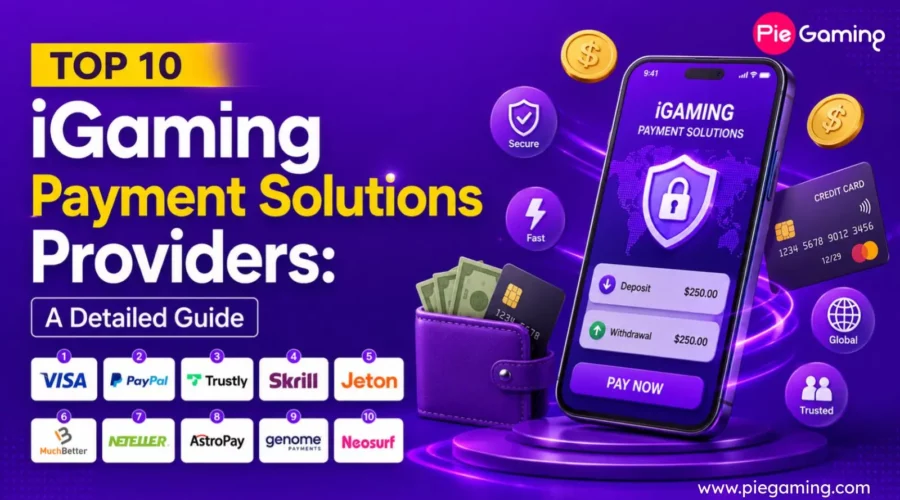
This responsiveness not only enhances the user experience but also stabilises the platform’s operation, preventing potential revenue losses and preserving the platform’s reputation and operational efficiency. Selecting iGaming payment options with an optimal fee structure is critical for maintaining a healthy balance between service quality and cost efficiency. Moreover, it reduces development time and cost, enabling operators to quickly adapt to market changes and regulatory requirements, therefore maintaining competitive agility in the iGaming arena. A carefully considered range of payment processing solutions ensures fast and trouble-free customer transactions, which helps to foster customer satisfaction and trust. Payment methods include the various ways a customer can send funds to an iGaming platform (merchant).
AXPay gives iGaming businesses 12 payment methods — including cards, e-wallets, and local alternative options — so every online gambling player can use their preferred method. The account setup process can take anywhere from a few days to several weeks, depending on your provider. MyBank, ePay.BG, Multibanco, and Rapid Transfer are local payment method options used in specific European markets.
Beyond that, actively utilize the fraud detection tools your gateway offers. Because the iGaming sector can be a target for fraudulent activity, you need a gateway that actively works to protect your revenue and your players’ sensitive data. Standard payment gateways often aren’t built to handle these specific challenges. Investing in top-tier fraud prevention helps protect your revenue, maintain compliance, and ensure legitimate transactions proceed smoothly. Operators consistently face threats from fraudulent activities, chargebacks, and potential money laundering.
Start accepting payments globally from customers with your new merchant account and our dependable high-risk payment gateway. Outside the Philippines, much of Asia exists in a spectrum from strict restrictions to outright prohibition — for instance, online gambling is completely banned in mainland China and several Southeast Asian nations, while others permit it in legally ambiguous areas without issuing formal licenses. The regulations regarding card and cryptocurrency acceptance for PAGCOR-licensed operators are still changing and differ by provider; therefore, it is wise to verify the current policies directly with PAGCOR or a licensing consultant instead of presuming that last year’s regulations are still valid. In the broader region outside the UAE’s new regulatory framework, legal gambling is predominantly confined to a few tourist-centric establishments in countries like Lebanon and Egypt, which typically legally prohibit local citizens from participating.
Initiate your high-risk merchant account with no initial costs, benefiting from AI-driven fraud detection specifically tailored for high-risk payment processing. When applying without a finalized license or to a general payment provider that lacks experience with gambling, the process can often extend several months or may even result in a rejection. A new operator with proper documentation, proof of licensing, and a completed AML/KYC framework can typically expect a turnaround of four to eight weeks with a specialized high-risk processor. This is relevant even for fully licensed, compliant operators — it represents a category classification, not an assessment of any particular business. Payment coverage is contingent upon licensing — a system designed for Sweden may not process deposits in the Philippines, and the reverse is also true.
Both provinces mandate that a financial services provider must authorize each deposit, permit withdrawals only to an account held by the player, and require customer e-wallet providers to register as suppliers. The VIP Preferred e-check network managed by Pavilion Payments boasts over 3 million enrolled customers and permits withdrawals up to $50,000 per patron in any 7-day period. A bank transfer costs the bank’s flat fee, and SEPA Instant carries no premium over standard SEPA.
ZPAY offers a range of benefits, including increased payment options for your customers, enhanced security, seamless integration, and reliable customer support. These features ensure that players across different regions can transact in their local currencies, which improves convenience and reduces exchange rate complexities for customers. Accepting Bitcoin payments helps operators improve deposit conversion, reduce payment processing costs, eliminate chargebacks, and deliver faster payment experiences for players. So, over six months, card processing in this example costs $167,400 in processing and chargebacks, with another $288,000 tied up in rolling reserves. Your customers are increasingly using their smartphones and tablets to interact with your business, whether it’s making purchases or engaging with your services. It’s about creating seamless experiences for your customers and building a resilient payment infrastructure.